
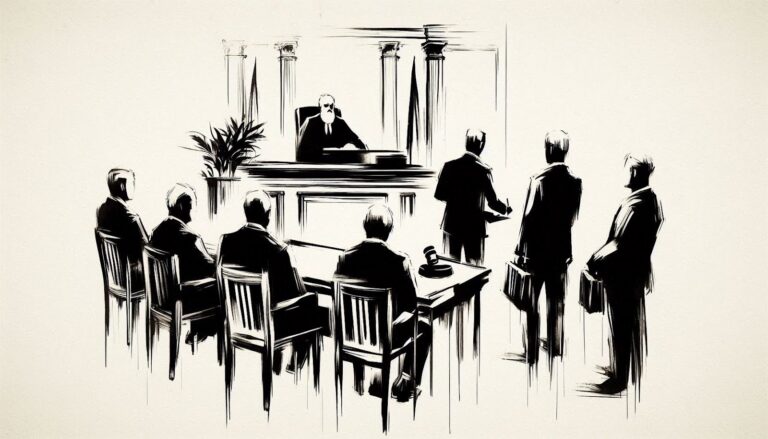
With millions of active trademarks in the U.S. and more piling up daily, it’s harder than ever to build a unique brand identity. Big companies have hundreds of trademarks for product names, taglines, and design elements, and they’re not afraid to unleash their lawyers on anyone who steps too close.
A trademark lawsuit is what every brand wants to avoid — and with careful research and playing by the rules, you can. Sometimes, however, it’s necessary to let the courts decide — whether you’re defending your use of a critical brand asset or preventing someone else from using it. Let’s find out how a trademark lawsuit works.
What is a Trademark Lawsuit?
A trademark lawsuit is a legal dispute filed in court to resolve issues involving the unauthorized use of a trademark or other violations of trademark rights. It’s usually a last resort, occurring after cease-and-desist letters and other actions have taken place.
Nobody wants to sue, but when polite emails and angry letters fail, trademark owners have no choice but to file a lawsuit. It’s messy, expensive, and the last thing anyone wants (except maybe the attorneys billing by the hour).
How Much Does the Average Trademark Lawsuit Cost?
Trademark lawsuits are expensive. There’s no gentle way to put it. The average cost for companies involved in a trademark lawsuit is between $120,000 and $750,000 before all is said and done, with complex cases climbing even higher. That’s why trademark insurance is an essential backup plan for businesses, as you never know when a court case might loom.
The costs stack up quickly in trademark lawsuits: You’ll need a specialized intellectual property lawyer, whose expertise comes at a premium. Then, there are court filing fees, expert witnesses, and potential damages. Simple cases in smaller courts might stay on the lower end, but high-stakes battles between major brands often run into millions.
Time makes everything more expensive. Each month of litigation means more billable hours, more court appearances, and more paperwork. Just like a home renovation project, unexpected complications keep popping up. The other side may file additional motions, or you need more expert testimony than planned. That’s why most businesses push hard for out-of-court settlements. They know that things can get expensive quickly once a case enters a courtroom.
Trademark Lawsuit Claims
Most trademark fights fall into two main categories, and knowing the difference can help you understand what you’re up against.
Trademark infringement is the most common claim. It’s when someone uses a mark so similar to yours that customers might get confused about who’s who. Think of it like this: if you run a tech company called “Pear Computers,” and someone opens “Pair Computing” down the street, selling similar products, you probably have a solid infringement case. The key here is proving that customers might get confused between the two brands.
Trademark dilution is trickier. It’s what happens when someone uses a famous trademark in a way that weakens its power, even if there’s no actual confusion. For instance, if someone starts selling “Rolex” dog food, Rolex watches could sue for dilution.
Even though nobody will mistake dog food for a luxury watch, the argument is that using the name “Rolex” for other products chips away at what makes the brand special in the first place.
Outcomes of a Trademark Lawsuit
Trademark lawsuits can be won or lost — i.e., the court can determine that trademark infringement has, or hasn’t, occurred. If the court decides there’s no trademark infringement, the parties will be allowed to continue using their brand assets as before.
If the court determines that trademark infringement has occurred, however, there are many penalties and consequences for the infringing party. These can include:
- Legal injuctions demanding that the infringing party immediately stop using the trademark.
- Destruction of goods that bear the infringing name or logo.
- Financial penalties, including a proportion of profits, damages for impact on brand reputation, and paying of attorney fees for the other party.
These outcomes should be proportional to the infringement but are nevertheless severe. If you’re found to be infringing on a trademark, it can be hugely costly, require complex rebranding, or even kill your business.
Wrapping Up
The kicker is that most trademark disasters are totally preventable. Business owners often rush into branding decisions without doing their homework, thinking they’ll deal with legal stuff later. But honestly, that’s like building a house without checking if the land is yours — you’re just asking for trouble down the road.
Our Trademark Research service can dig through domestic and international databases to spot potential conflicts before they become problems. Ensure you’re building a brand on a rock-solid foundation.
