
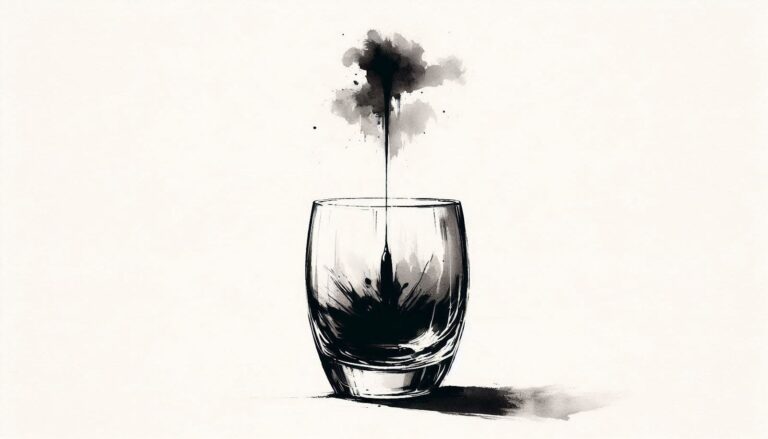
Warren Buffett famously said, “It takes 20 years to build a reputation and five minutes to ruin it.” His advice to businesses was to concentrate on quality and preserve your brand’s reputation above all, but what he failed to mention was that your reputation is vulnerable to the behavior of other brands and businesses as well as your own.
If another business uses your mark on poor-quality goods, trust in your business will be eroded, and that powerful name and reputation you’ve spent years building will falter.
This is the impact of trademark tarnishment: harm to your reputation by other businesses using similar marks. Trademark tarnishment is hugely damaging for businesses and has to be protected against, so follow along as we break down these essential trademark defenses and show you what works in modern commerce.
What is Trademark Tarnishment?
Trademark tarnishment is a form of trademark dilution that occurs when a brand’s reputation is harmed through unauthorized use of its trademark in association with inappropriate, offensive, or inferior products or services, leading to negative consumer perceptions.
This happens when someone uses your trademark to sell sketchy products. Maybe they slap your premium brand name on cheap knockoffs. Or worse, they connect it to offensive or illegal items. Either way, they’re dragging your reputation through the mud.
Trademark tarnishment doesn’t have to involve counterfeiting, either. For example, it’s legal to trademark the same name in different industries, which is why we have Delta Air Lines and Delta Faucets comfortably coexisting. However, if a new company were to start called Delta Parachutes, this could harm the airline’s reputation in obvious ways: this could be considered trademark tarnishment, and give Delta Airlines an effective legal recourse.
Trademark Tarnishment vs. Trademark Blurring
Tarnishment and blurring might sound similar, but they hurt your trademark in different ways. Tarnishment attacks your reputation — it links your brand to something sleazy or low-quality, making people trust you less. A luxury watch brand’s name on fake timepieces, or a family-friendly logo used on adult content? That’s tarnishment.
Blurring is subtler. It happens when others use your trademark for unrelated products, gradually weakening your brand’s uniqueness. Take “Chevron” for example. If you saw Chevron ice cream, Chevron clothing stores, and Chevron furniture everywhere, the name would lose its strong connection to energy and gas stations. The trademark becomes less distinct and less memorable.
So, while tarnishment directly damages your reputation through unsavory associations, blurring erodes your brand’s uniqueness through overuse. Both are problems, but they need different defense strategies. Fighting tarnishment means protecting your image; fighting blurring means maintaining your distinctiveness.
Examples of Trademark Tarnishment
Trademark tarnishment shows up in many ways, and companies fight hard to protect their brands from these reputation-damaging misuses. Let’s look at some examples of how tarnishment happens and why it matters for brand protection.
- Unauthorized use in inappropriate contexts
The damage can be severe when trademarks appear in offensive or adult content. A children’s cartoon character appearing in explicit material creates immediate brand harm. Parents might stop buying merchandise, and the wholesome image built over the years crumbles fast. For example, the widespread ‘Calvin peeing’ sticker, taken from Bill Watterson’s Calvin and Hobbes comic, is an illegitimate reproduction that was never drawn by Watterson or sanctioned by the comic strip’s distributor, United Press Syndicate.
Social media posts and memes can also cause this type of damage. Someone might edit a respected company’s logo into hate speech or extreme political content. Even if it’s quickly removed, screenshots spread rapidly, and the association sticks in people’s minds.
- Parodies that harm brand reputation
Parodies are protected usage of trademarks, which ensures that trademarked assets can be used in comedy and commentary, but sometimes a parody crosses the line from humor to harm. A famous case involved a pet toy company making “Chewy Vuitton” dog toys that copied Louis Vuitton’s designs. Louis Vuitton argued that this usage undermined their association with luxury products, but in this case, the courts sided with the parody brand and allowed Chewy Vuitton to continue.
Not all negative parodies qualify as tarnishment. Criticism and commentary have legal protection. But when parodies suggest a brand promotes harmful behavior or contains dangerous ingredients, that’s where legal action often begins.
- Association with inferior products or services
Counterfeit products create instant tarnishment through poor quality. When customers buy fake items thinking they’re real, their bad experience reflects on the authentic brand. A knockoff handbag that falls apart after two uses makes people question the actual brand’s quality.
This problem goes beyond just physical products. Service companies face tarnishment when others claim false affiliations. An untrained repair shop advertising itself as “certified” by a major manufacturer damages that manufacturer’s reputation when they do shoddy work. The genuine brand takes the blame for someone else’s failures.
How to Protect Against Trademark Tarnishment
Brand protection is about preserving your reputation from damaging misuse. When others connect your trademark to offensive content or low-quality products, the harm to your brand can last for years.
A mix of legal tools, monitoring systems, and strategic responses guard against trademark tarnishment. Here’s how successful brands protect themselves from reputation damage and maintain their market value.
- Trademark Registration: Register your trademark with the USPTO, as this gives you solid legal ground to fight misuse. Ensure you register in all relevant categories where you do business.
- Monitoring Systems: Set up a monitoring system to catch unauthorized uses early. Many companies use specialized software that scans websites, social media, and online marketplaces. The faster you spot problems, the easier they are to fix. Regular searches for your brand name plus negative terms can reveal potential issues before they spread.
- Swift Action: When you find tarnishment, act quickly but smartly. Start with a cease-and-desist letter. Sometimes that’s enough to stop the problem, but be ready to pursue court action if not. Keep detailed records of the misuse and any damage to your brand’s reputation — these help if you end up in legal proceedings.
- Employee Training: Train your team to spot and report potential tarnishment. Your employees often notice problems first, especially in stores or on social media. Create clear guidelines about what counts as tarnishment and who to alert when they see it.
- Platform Partnerships: Build strong relationships with platforms and marketplaces. Many have procedures to report trademark violations. Getting to know their process makes removal requests smoother. Some even offer special protection programs for registered trademark owners.
- Brand Guidelines: Stay consistent with your brand usage guidelines. The clearer your brand standards, the easier it is to prove when others damage your reputation. Document your brand’s values and appropriate uses – this strengthens your position if you need to prove tarnishment in court.
Wrapping Up
Trademark tarnishment poses real risks to brands of all sizes. While you can’t prevent every instance of trademark abuse, a solid protection strategy helps you spot problems early and respond effectively. Most successful brands combine legal protection, consistent monitoring, and quick action to keep their trademarks strong.
Your brand’s reputation took years to build, so protecting it from tarnishment should be a priority. Want to check if your trademark faces current risks? Our Trademark Research team can help you dig deep into existing and potential trademark conflicts, giving you a clear picture of your brand’s protection needs.
